


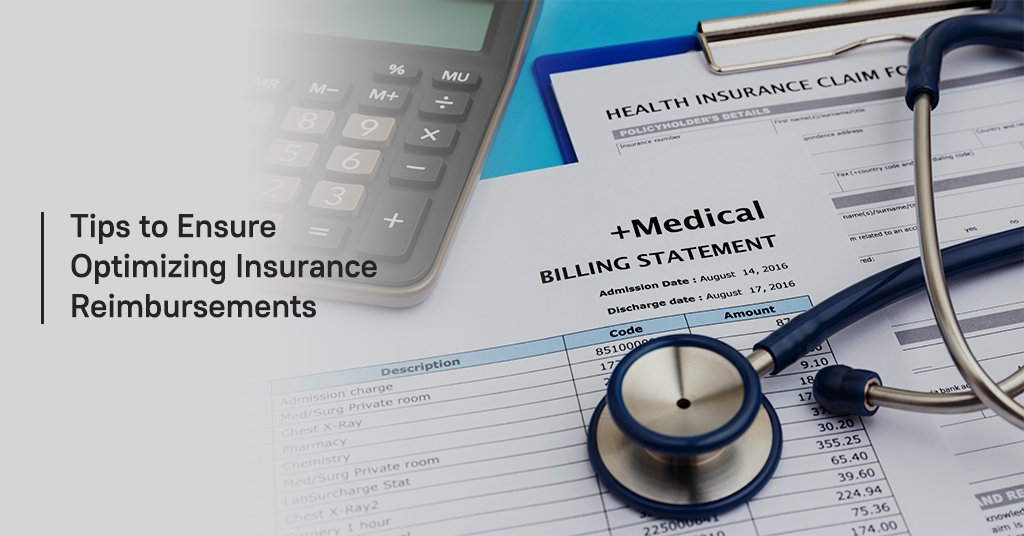
Optimized insurance reimbursements are critical to a DME/HME because it helps them get paid for services rendered. However, there are no clear rules that can help your business optimize insurance reimbursements because several factors contribute to it, including streamlined revenue cycle management (RCM).
According to a Bluecross report, a DME must have a prescription before it is eligible for coverage. Eligibility criteria for most DMEs can be stringent:
- The equipment must provide therapeutic benefit to the patient because of medical conditions or illness.
- It should not serve as a comfort or convenience item, nor have significant non-medical use such as an air conditioner or a humidifier.
- If there is equipment that does not meet the definition of DME, it may be covered by certain insurance policies only when the therapeutic benefit of the equipment for the patient is established.
Given stringent coverage guidelines, it is important that a business gets the criteria correct when filing a claim application. Optimized insurance reimbursement can help streamline and strengthen record-keeping for the DME/HME, in the process also helping set precedents for compliance in the future, as volumes grow and the business scales.

- Ensure water-tight documentation and records
Ensuring a prescription is available when requesting a DME is the first step in record-keeping for claim applications. Whether it is a doctor’s note or documentation from a hospital, a nursing home, or a similar health care provider, these are basic requirements. These criteria should be supported by further documentation to help ensure that insurance coverage requirements are being met.
Documentation can include a physician’s treatment plan, the proposed time frame during which the DME will be needed, and any other notes that can detail the medical necessity of the equipment for the patient. It is vital for DME/HME businesses to ensure that they maintain adequate documentation for product qualification.
- Include patient insurance information
Insurance is a confusing area and patients may be unclear about the exact status and premium information regarding their policy. To avoid claim delays and denials, a DME/HME business needs to study the insurance information provided by patients and ensure they are aware of details, such as co-payments and in-network providers. At times, clarity is needed on coverage amounts that is the responsibility of the patient. The due diligence that needs to be done on insurance coverage can be time consuming and attention-intensive, but it is also one of the steps that must be taken to ensure that any last-minute claim filing is free of surprises.
Choosing to hire outsourced medical billing help
Reliable medical billing processes are time-consuming and expensive for most startup and small DME/HME businesses. Not only are these businesses focused on new opportunities, they must ensure existing businesses are not neglected or negatively impacted. The process of setting up in-house resources can be expensive and time-consuming in terms of both staff and capital expenses needed to cover the efforts. Medical billing assistance, especially from HIPAA-compliant medical billing solutions providers, can help in multiple ways:
- Provide assistance without the business needing to invest in resources or staff.
- Reduce burden on existing staff, especially the time-consuming process of detailed patient registration and record-keeping.
- Help ensure reliable records for retrieval at claim application time.
- Provide overall streamlining of RCM through a reliable, tried, and tested RCM service.
- Help DME/HME operations streamline through better billing and reduced administrative burden on the staff that is primarily trained to manage health care and medical equipment matters.
Next Steps
- A DME partnership can provide the right assistance and expertise to reliably manage DME/HME billing requirements, including data management, such that the business can continue to focus on providing quality healthcare.
- Email us at sales@analytix.com or call 781.503.9008 for a free session.
- Engage with us on LinkedIn and Twitter.


.svg)
.svg)